Commercial indoor wood fired pizza oven: UK buyer's guide
Commercial indoor wood fired pizza oven: UK buyer’s guide
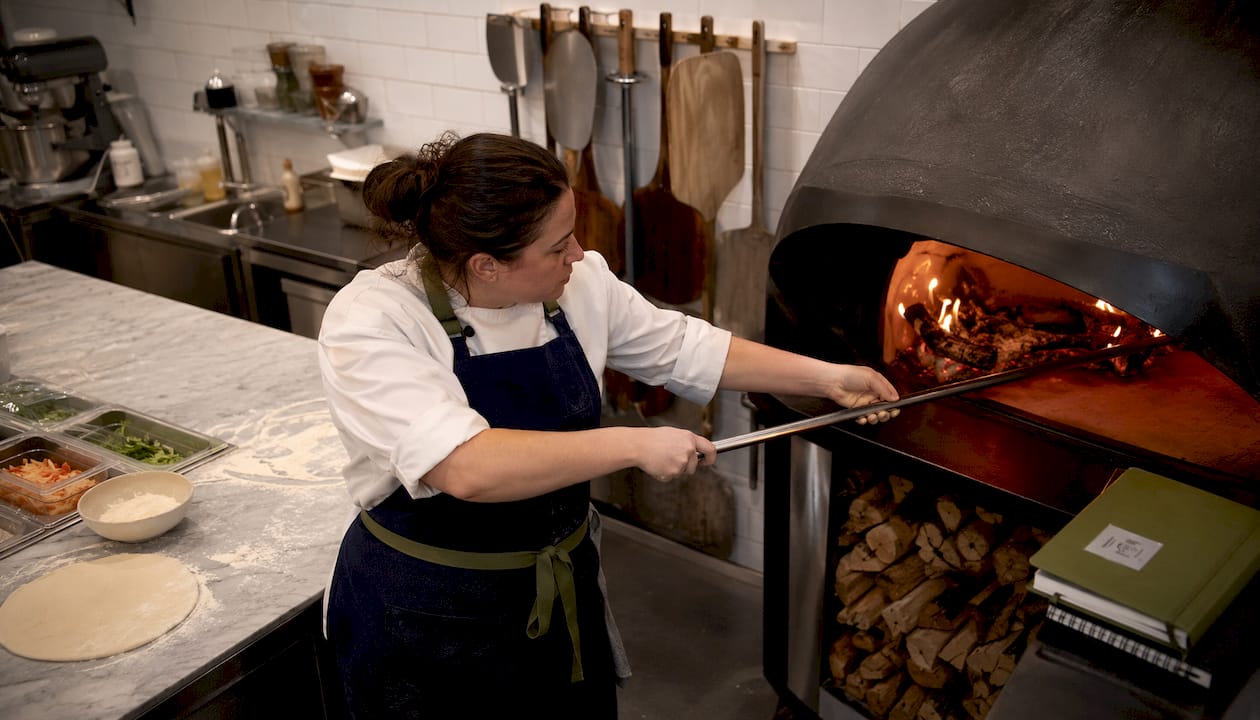
Which commercial indoor wood fired pizza ovens are worth your attention?
The right wood-fired oven is the soul of any serious pizza operation. For UK restaurants and catering businesses evaluating their options, three names consistently stand out in the professional market:
- Vesuviano Forni (RealBosco, Sebastian, VesuvioBuono lines): Handcrafted in Naples by artisans with over 50 years of expertise, these ovens combine traditional Neapolitan construction with modern insulation and low-emission technology. Suitable for high-volume indoor use, with full UK export, installation, and after-sales support included.
- Igneus: A UK-based brand offering indoor pizza ovens designed for commercial and semi-commercial settings, with stainless steel construction and models suited to smaller kitchen footprints.
- Gozney Dome: A premium, design-led wood and gas dual-fuel oven popular with upmarket restaurants seeking a statement piece. Well-regarded for heat retention and aesthetic appeal, though primarily positioned at the upper end of the semi-commercial range.
Each serves a different operational profile. Volume-focused pizzerias typically favour the thermal mass and cooking capacity of a purpose-built Neapolitan oven, whilst design-conscious venues may prioritise the Gozney Dome’s visual impact.
Table of Contents
- What makes a commercial wood fired oven perform at a professional level?
- What installation requirements should you plan for before buying?
- Which models and brands are available in the UK market?
- How do you choose the right oven for your commercial kitchen?
- Vesuviano Forni: craftsmanship, innovation, and end-to-end service
- What does a commercial indoor wood fired oven actually cost?
- Vesuviano Forni is the direct route from specification to installation
- Key takeaways
What makes a commercial wood fired oven perform at a professional level?
Performance in a commercial kitchen comes down to heat retention, fuel efficiency, and cooking consistency across a full service. Modern professional wood-fired ovens have advanced considerably beyond traditional ceramic builds.
- Fuel efficiency: Some models use up to 60% less wood than traditional ceramic ovens and reach working temperature in 30–45 minutes, compared to several hours for older ceramic designs.
- Heat retention: Refractory brick floors and insulated domes store thermal energy, maintaining consistent cooking temperatures across dozens of pizzas without constant fuel additions.
- Cooking versatility: Wood-fired ovens support roasting, grilling, slow cooking, and baking alongside pizza, adding genuine menu breadth without additional equipment.
- Durability: Professional-grade models use materials such as 441 and 304 stainless steel for structural components, with certified brick or refractory hearths designed to withstand continuous commercial use.
- Certifications: Look for ETL, cETL, or equivalent safety certifications confirming the oven meets commercial kitchen standards.
Efficiency in numbers: Models achieving fast preheat times and significant wood savings versus ceramic ovens translate directly into lower fuel costs and faster service readiness each day.
Operators who underestimate preheating time often struggle with inconsistent results during peak service. Building thermal mass properly, particularly with refractory ovens, is what separates a reliable high-volume kitchen from one that falters under pressure.
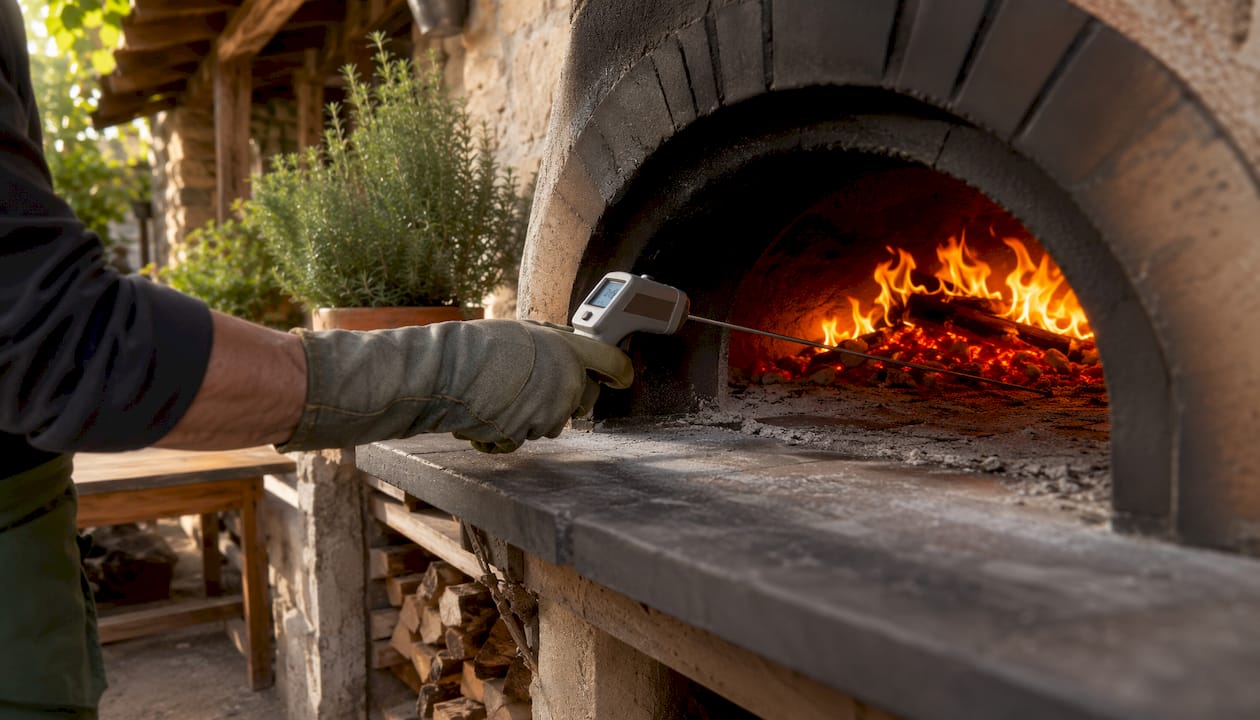
What installation requirements should you plan for before buying?
Installing a commercial indoor wood fired pizza oven is a significant project. Getting the groundwork right before the oven arrives saves considerable time and expense.
- Ventilation and exhaust: Proper venting is critical for indoor wood-fired operation. Carbon monoxide accumulation and fire risk make a compliant, purpose-designed flue system non-negotiable. Your installation must meet the requirements set out under UK commercial kitchen safety legislation, including relevant provisions of the Health and Safety at Work etc. Act 1974 and associated regulations governing ventilation and fire safety.
- Structural load: A fully assembled commercial oven, particularly a brick-dome model, can weigh several hundred kilograms. Confirm your floor loading capacity with a structural engineer before specifying a model.
- Space planning: Account for the oven’s footprint, clearance distances from combustible surfaces, and workflow around the oven station. Detailed wood fired oven dimensions guidance is worth reviewing early in the planning process.
- Maintenance access: Leave adequate clearance for cleaning, ash removal, and periodic inspection of the flue and firebox.
- Lead times: Handcrafted ovens built to order typically require 6–12 weeks from confirmation to delivery. Factor this into your opening or refurbishment timeline.
Engaging your oven supplier’s technical team during the planning stage, rather than after the kitchen fit-out is complete, avoids the most common and costly installation mistakes.

Which models and brands are available in the UK market?
The UK market for professional wood-fired ovens has matured considerably. Buyers now have access to a range of models spanning artisan Neapolitan construction, certified indoor-specific designs, and design-led premium options.
- Vesuviano Forni RealBosco: Traditional mosaic-finish Neapolitan ovens, available in wood-fired, gas, electric, and rotating versions. Built by hand in Naples using certified materials, with full UK logistics and on-site installation available.
- Vesuviano Forni Sebastian: A contemporary metal-slat finish alternative for kitchens seeking a modern aesthetic without sacrificing handcrafted Neapolitan performance. Available in wood-fired, gas, and electric configurations.
- Vesuviano Forni VesuvioBuono: Wood-fired or combined gas/wood models with a proprietary low-emission system that eliminates black soot, making them particularly well-suited to indoor environments with strict air quality requirements.
- Igneus commercial range: UK-stocked indoor ovens with stainless steel construction, suited to restaurants with moderate output requirements and tighter kitchen footprints.
- Gozney Dome: Dual-fuel (wood and gas) with strong heat retention and a distinctive design profile. Warranty and after-sales support are available through UK distributors.
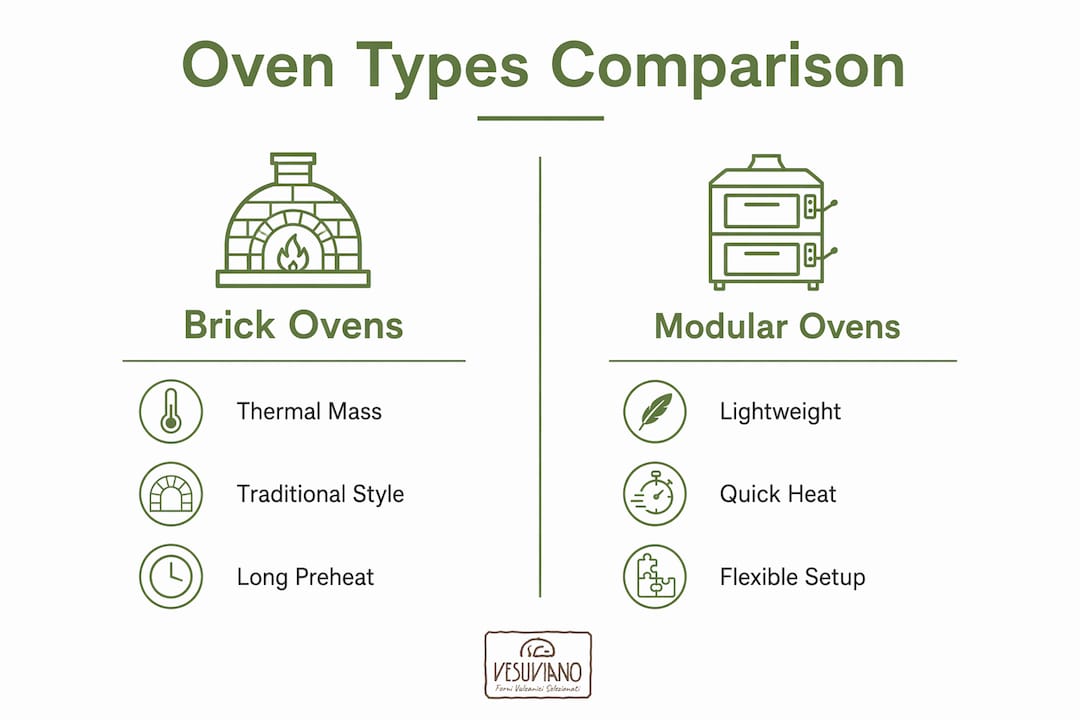
For businesses weighing traditional brick construction against newer formats, a detailed comparison of commercial brick pizza oven alternatives can help clarify which approach suits your volume and kitchen layout.
How do you choose the right oven for your commercial kitchen?
Selecting the right wood-fired oven for a professional kitchen involves more than comparing specifications on paper. Operational reality matters as much as headline figures.
- Output volume: Calculate your peak hourly pizza output and work backwards to the cooking surface and thermal capacity you need. A busy pizzeria turning out 80–100 covers per service needs a fundamentally different oven than a hotel kitchen producing 20.
- Kitchen space: Measure your available footprint carefully, including ceiling height for the flue run. Compact models suit tight kitchens; larger dome ovens reward the space investment with greater cooking flexibility.
- Fuel sourcing: Hardwoods such as oak or beech are the preferred choice for indoor wood-fired use, delivering consistent heat and manageable smoke output. Softwoods and treated timber are unsuitable and may breach environmental health requirements.
- Environmental compliance: If your premises are in a Smoke Control Area, a low-emission model such as the VesuvioBuono may be the only compliant option for wood firing indoors.
- Energy efficiency: Consider the long-term fuel cost alongside the purchase price. An oven that preheats faster and retains heat longer reduces both fuel spend and pre-service preparation time.
Pro Tip: Never size your oven purely to your current output. A model with 20–30% more capacity than your present peak gives you room to grow your menu and covers without a costly replacement within two or three years.
Vesuviano Forni: craftsmanship, innovation, and end-to-end service
Vesuviano Forni was established in 2025 to bring together some of the most experienced Neapolitan oven artisans, whose collective expertise spans over 50 years of professional oven construction in the Vesuvian area. The brand’s handcrafted commercial ovens are built in Naples using traditional techniques passed down through generations, with certified materials including 441 stainless steel structural components and refractory brick hearths.
What distinguishes Vesuviano Forni from most suppliers is the combination of artisan heritage and active innovation. The brand’s dedicated R&D team works on electric ovens, rotating models, and the proprietary VesuvioBuono low-emission system, which eliminates black soot without compromising the flavour profile that defines authentic Neapolitan pizza.
The end-to-end service offering covers custom design, production, international logistics, customs clearance, on-site installation, and post-installation support. For UK buyers, this means a single point of contact from initial specification through to the first pizza out of the oven.
What does a commercial indoor wood fired oven actually cost?
Budgeting for a professional wood-fired oven means looking beyond the purchase price. The total investment typically breaks down across three areas:
Purchase price: Entry-level commercial models from established brands generally start from around £3,000–£5,000. Mid-range handcrafted Neapolitan ovens, such as those in the Vesuviano Forni range, sit higher depending on size, finish, and configuration. Bespoke or on-site-built installations are priced individually.
Installation: A compliant indoor installation, including a purpose-built flue system, structural preparation, and professional fitting, typically adds £1,500–£4,000 depending on the complexity of the kitchen and the flue run required. Suppliers who include installation in their service offering, as Vesuviano Forni does, simplify both the logistics and the cost management.
Operational costs: Wood fuel is the primary ongoing expense. Efficient modern ovens, particularly those achieving the 60% wood savings noted above, reduce this significantly compared to older ceramic designs. Factor in periodic maintenance, flue cleaning, and any consumable components when projecting annual running costs.
The total cost of ownership over three to five years is a more useful metric than the purchase price alone. An oven that costs more upfront but lasts 15–20 years with minimal maintenance almost always represents better value than a cheaper alternative requiring early replacement.
Vesuviano Forni is the direct route from specification to installation
For restaurant owners and catering businesses that want authentic Neapolitan craftsmanship without the complexity of managing multiple contractors, Vesuviano Forni offers something most oven suppliers do not: a genuinely complete service.
From the first technical consultation through to on-site assembly and after-sales support, the entire process is managed by a single, experienced team. Whether you are specifying a traditional RealBosco mosaic oven, a contemporary Sebastian model, or a zero-emission VesuvioBuono for a Smoke Control Area, Vesuviano Forni handles UK export logistics, customs, and installation directly. For kitchens with specific spatial or operational requirements, the rotating oven range offers an additional layer of production efficiency.
Contact the Vesuviano Forni team to request a technical consultation and a tailored quotation for your kitchen.
Key takeaways
The most effective commercial indoor wood fired pizza oven for a UK professional kitchen balances authentic thermal performance, regulatory compliance, and a total cost of ownership that rewards long-term investment.
| Point | Details |
|---|---|
| Efficiency gains are measurable | Modern ovens can use up to 60% less wood and preheat in 30–45 minutes versus several hours for ceramic designs. |
| Installation planning is critical | Ventilation, structural load, and UK safety compliance must be confirmed before the oven arrives on site. |
| Fuel choice affects indoor performance | Hardwoods such as oak or beech deliver consistent heat and manageable smoke; softwoods are unsuitable for indoor use. |
| Total cost of ownership matters | Purchase price, installation (typically £1,500–£4,000), and fuel costs should all be factored into the budget. |
| Vesuviano Forni | Handcrafted Neapolitan ovens with end-to-end UK service, covering design, logistics, installation, and after-sales support. |