$5,000–$30,000 Neapolitan Oven Costs for Restaurants: Budget and ROI
$5,000–$30,000 Neapolitan Oven Costs for Restaurants: Budget and ROI
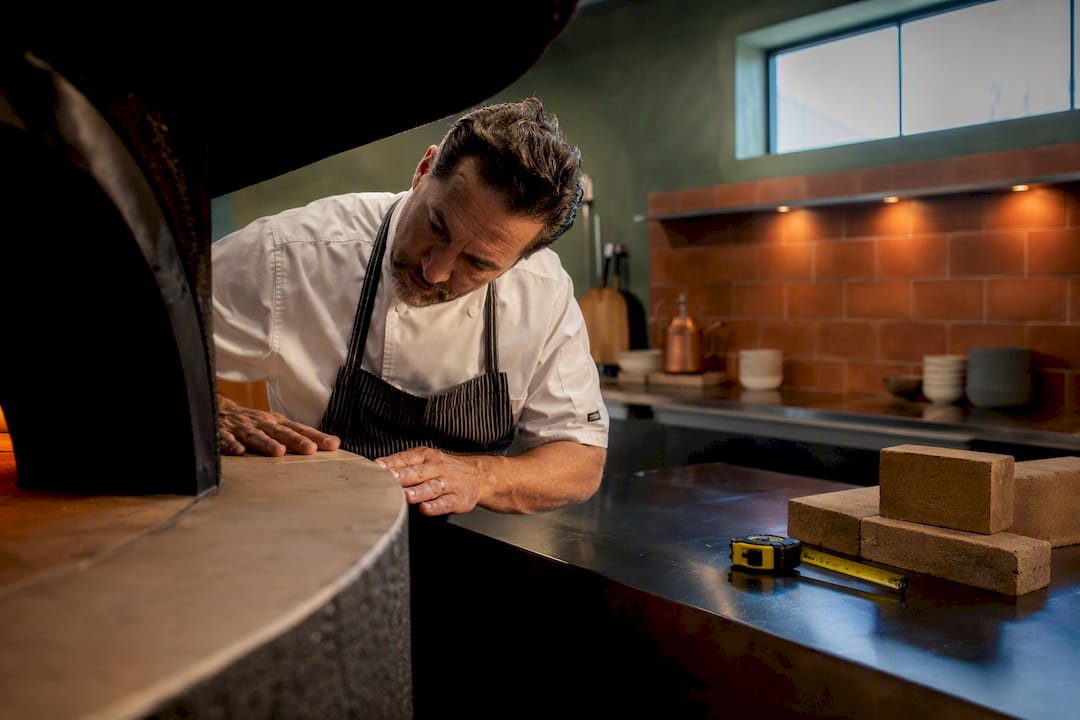
A professional Neapolitan oven for restaurant use typically runs from around $5,000 for a factory-assembled unit to $30,000 or more for a handcrafted masonry build, with most commercial buyers landing between $8,000 and $20,000. Fuel type, size, and installation complexity drive most of that spread. Vesuviano Forni builds handcrafted ovens in Naples across that full range, matched to your kitchen and menu.
TL;DR:
- Commercial Neapolitan ovens typically cost between $8,000 and $20,000, with handcrafted masonry units reaching into the high five- or low six-figure range.
- Price differences are mainly driven by construction method, size, fuel type, insulation, customization, certifications, and logistics.
- Operating costs vary: wood offers the best flavor but higher fuel and labor demands; gas provides faster recovery and lower staffing needs; electric delivers the most predictable energy costs but depends on local electricity rates.
- To avoid hidden costs, request detailed specifications, certification documents, an itemized quote, and verify site readiness and installation details before purchasing.
- The long-term reliability and heat recovery performance of the oven often outweigh the initial investment in aesthetics or cosmetic customizations.
Table of Contents
- How much does a Neapolitan oven cost for commercial use?
- What drives the price of a professional pizza oven?
- How much does it cost to run a Neapolitan oven each year?
- What should go on your Neapolitan oven procurement checklist?
- Why do handcrafted Neapolitan ovens command a premium?
- What the price debate usually gets wrong
- Ready to price your commercial Neapolitan oven?
- Sources
How much does a Neapolitan oven cost for commercial use?
Price bands in this category are wide because “Neapolitan oven” covers everything from a garden hobby unit to a hand-tiled masonry dome built on site by a third-generation artisan. Knowing which band you’re shopping in saves weeks of wasted supplier calls.
Consumer and backyard ovens typically sit between $1,000 and $5,000, and while some can reach impressive temperatures for a weekend cook, independent testing shows they belong to a different class entirely from ovens built for continuous restaurant service. They lack the thermal mass and recovery capacity a busy dinner service demands, and most manufacturers won’t offer commercial warranty cover on them.
Factory-assembled commercial ovens, delivered ready to connect, commonly start in the mid five-figure range once you factor in the stand, gas conversion kit, and flue components. This is where many pizzerias entering the Neapolitan category first land, because it balances authentic cooking performance against a manageable capital outlay.
Bespoke masonry and handcrafted mosaic ovens occupy the top of the market, often reaching into the high five-figure or low six-figure range for larger, fully customised builds. The premium reflects the materials, the skilled labour, and the fact that a genuine masonry oven is essentially built, not assembled, often finished on site by hand.
Extras change the final invoice more than buyers expect:
- Decorative tilework and mosaic finishes for front-of-house visibility
- Chimney extensions and flue kits suited to your building’s height and roofline
- Gas conversion hardware for hybrid wood/gas operation
- Custom stands, wheels, or built-in counter integration
What drives the price of a professional pizza oven?
Once you understand the price bands, the next question is where your money actually goes. Several factors compound to move the final quote up or down.
- Construction method. A poured or hand-laid masonry dome outlasts a metal-clad assembled unit by decades in many cases, but costs considerably more upfront and takes longer to build.
- Size and throughput. Mouth width and internal floor area determine how many pizzas you can cook per hour, and larger domes need more refractory material and structural support, which raises price.
- Fuel system. Wood-only hardware is comparatively simple, while gas burners, electric elements, and hybrid control systems each add distinct component and engineering costs.
- Insulation and refractory quality. Better insulation and heat recovery technology reduce fuel waste over the oven’s life, often justifying a higher purchase price.
- Cosmetic and architectural customisation. Bespoke tiling, arch design, and integration into an open kitchen counter add both material and labour cost.
- Certifications. ETL, UL, or NSF ratings for indoor commercial use add cost and lead time but are usually required before your local authority signs off on installation.
- Logistics. Shipping, customs duties, on-site assembly, and coordinating local trades (electricians, gas fitters, masons) can add a meaningful percentage to the landed cost, particularly for international orders.
Pro Tip: Ask any supplier for the oven’s recovery time in pizzas per hour, not just its maximum temperature. A dome that hits 900°F but recovers slowly between bakes will bottleneck you on a busy Friday night.
How much does it cost to run a Neapolitan oven each year?
Purchase price is only half the budgeting exercise. Operating costs vary sharply by fuel type, and they compound over years of service.
Wood-fired ovens deliver the flavour most Neapolitan menus are built around, but they demand skilled staff and consistent fuel sourcing, and labour intensity is genuinely higher than with gas or electric alternatives. Gas ovens offer faster heat up and more predictable running costs, which suits high-turnover operations with less specialised staff. Electric ovens bring the most consistent energy usage profile of the three, though local electricity rates matter more here than for gas or wood.
Modern regulation systems, including bypass and hysteresis controls on gas burners, can meaningfully cut fuel consumption during steady service compared with unregulated burners, according to commercial oven cost comparisons. Budget separately for annual maintenance too: refractory repairs, burner servicing, and door seals are the most common spare parts a busy kitchen will need to replace.
A simple payback example: a pizzeria selling 60 pizzas an hour at peak service, with an average margin of $8 per pizza, recovers a $15,000 oven investment in well under a year of steady weekend trade, assuming fuel and labour costs stay within normal ranges for the chosen fuel type. Your own numbers will shift with local energy prices and staffing, but the framework holds.
- Wood: highest flavour value, highest skill and fuel-sourcing overhead
- Gas: fastest recovery, lowest staff training burden
- Electric: most predictable running cost, most location-dependent value
What should go on your Neapolitan oven procurement checklist?
A clear request for quotation protects you from surprise costs later. Before you approach any supplier, work through this list.
- Request full specifications, including recovery time, mouth dimensions, weight, and fuel options, not just the maximum temperature figure.
- Ask for certification documents upfront. Missing ETL, UL, or NSF paperwork can delay your health inspection by weeks.
- Get an itemised cost breakdown covering the oven, stand, flue, shipping, customs duties, and installation labour separately.
- Check your exhaust hood design with a ventilation consultant before you order. Overpowered extraction can pull heat out of the dome and prevent it reaching cooking temperature.
- Confirm site readiness, including foundation load capacity, gas or electrical utility access, and delivery clearance.
- Clarify installation and commissioning, and get in writing exactly what the quoted price includes versus what falls to local trades.
- Ask about warranty terms and spare parts availability before you sign, not after the oven arrives.
- Look for consolidation opportunities, such as bundling shipping, installation, and staff training into one negotiated package.
Why do handcrafted Neapolitan ovens command a premium?
Vesuviano Forni builds its ovens in Naples across three lines: RealBosco for the traditional mosaic aesthetic, Sebastian for a modern metal-slat finish, and VesuvioBuono for low-emission, soot-free wood-fired cooking. Each is available across wood, gas, electric, or rotating configurations, and every quote includes custom design, international logistics, customs clearance, and installation support.
The premium on a handcrafted oven buys you something a factory-assembled unit cannot replicate: decades of thermal performance built into the mass and shape of the dome itself.
Restaurant owners rarely regret paying more for an oven that performs consistently for fifteen years. They regret discovering, six months after opening, that their oven can’t keep pace with a Friday night rush.
Bruno, Key Account & Export Manager at Vesuviano Forni, works directly with commercial buyers navigating exactly this trade-off between upfront cost and long-term reliability.
What the price debate usually gets wrong
Most buying guides treat oven cost as a single number to compare, when it’s really three separate decisions: capital outlay, fuel economics, and installation risk. The research here supports a clearer priority order than most advice offers. Get the fuel and size decision right first, because matching oven capability to your actual menu prevents the expensive mistake of buying a 900°F dome for a business that never needed one.
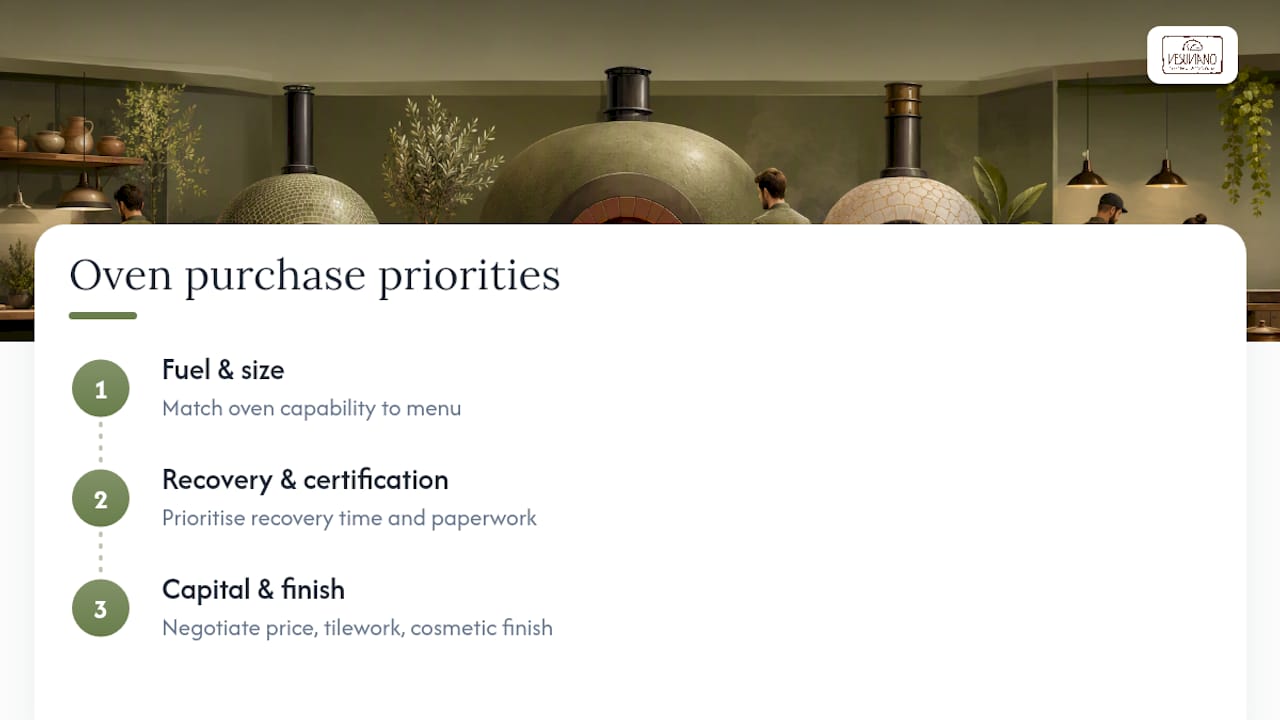
The conventional advice to “get quotes and compare prices” misses the point. Two ovens quoted at the same figure can differ enormously in recovery time, refractory quality, and what’s actually included before installation. A cheaper oven with poor heat recovery costs you more in lost table turns than the difference in purchase price ever saved.
Prioritise recovery time and certification paperwork before you negotiate on tilework or cosmetic finish. Those decisions protect your opening timeline and your kitchen’s daily throughput, which matter more to your bottom line than how the dome looks in photographs.
— Bruno - Key Account & Export Manager
Ready to price your commercial Neapolitan oven?
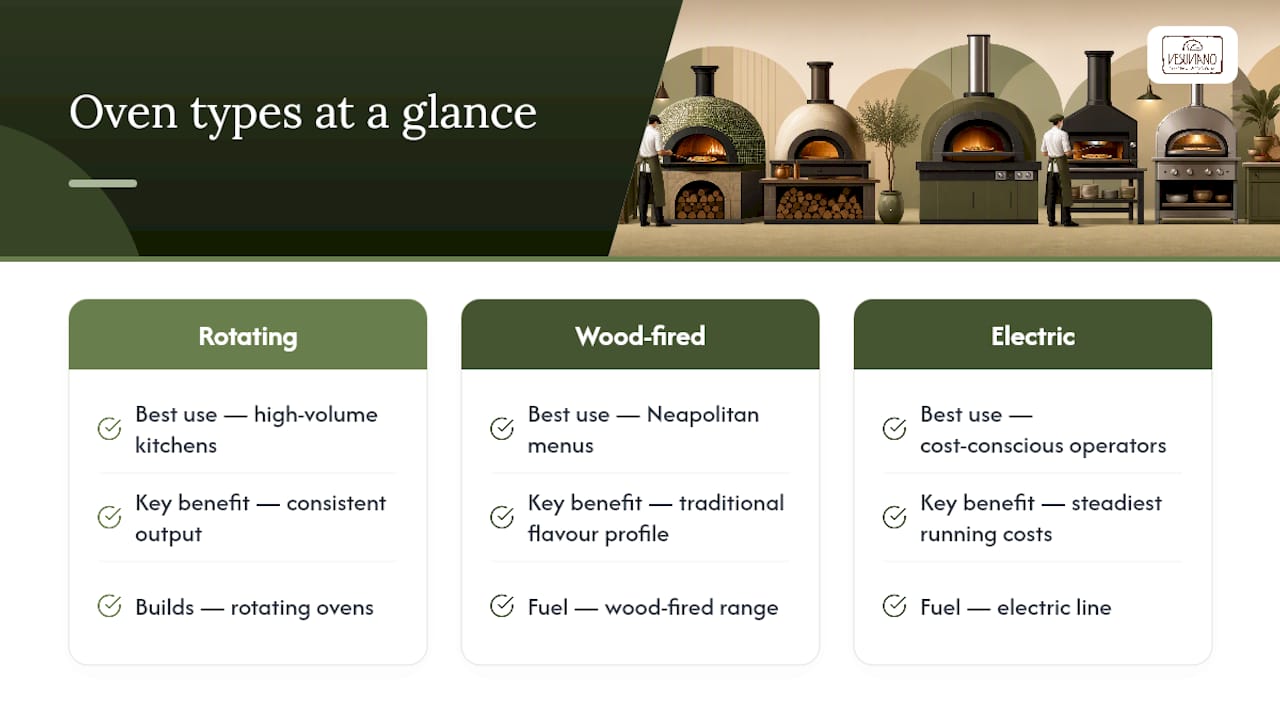
If you’ve read this far, you already know your fuel type and rough size matter more than any single price tag. Vesuviano Forni’s rotating pizza ovens suit high-volume kitchens needing consistent output, while the wood-fired range delivers the traditional flavour profile most Neapolitan menus are built around, and the electric line offers the steadiest running costs for operators watching utility bills closely.
Every quote from Vesuviano Forni covers the full journey from design through international logistics, customs clearance, on-site installation, and after-sales support, so the number you’re quoted is the number you can plan around. For a broader look at how our handcrafted Neapolitan ovens compare across fuel types and sizes, our product range covers wood, gas, electric, and rotating builds in one place.
If you’re ready to move forward, request a technical survey and itemised quote directly from our team, and we’ll walk you through sizing, certification requirements, and a realistic delivery timeline for your kitchen.
Sources
For deeper technical detail, see our guides on operating temperature and throughput, commercial oven alternatives by fuel type, and specification comparisons from Superior Kitchen Equipment for capacity benchmarking.
This article is general information, not a substitute for advice from a qualified financial advisor. Consult a qualified financial professional about your own circumstances before acting on anything here.
- Tony Gemignani talks tips on buying wood-burning ovens
- Neapolitan Commercial Pizza Oven Review & Cost Comparison: Wood, Gas, Hybrid, or Electric? (The Ultimate 2026 Guide)
- Best backyard pizza ovens review — Serious Eats