Pizza oven for commercial use: best options for UK hospitality
Pizza oven for commercial use: best options for UK hospitality
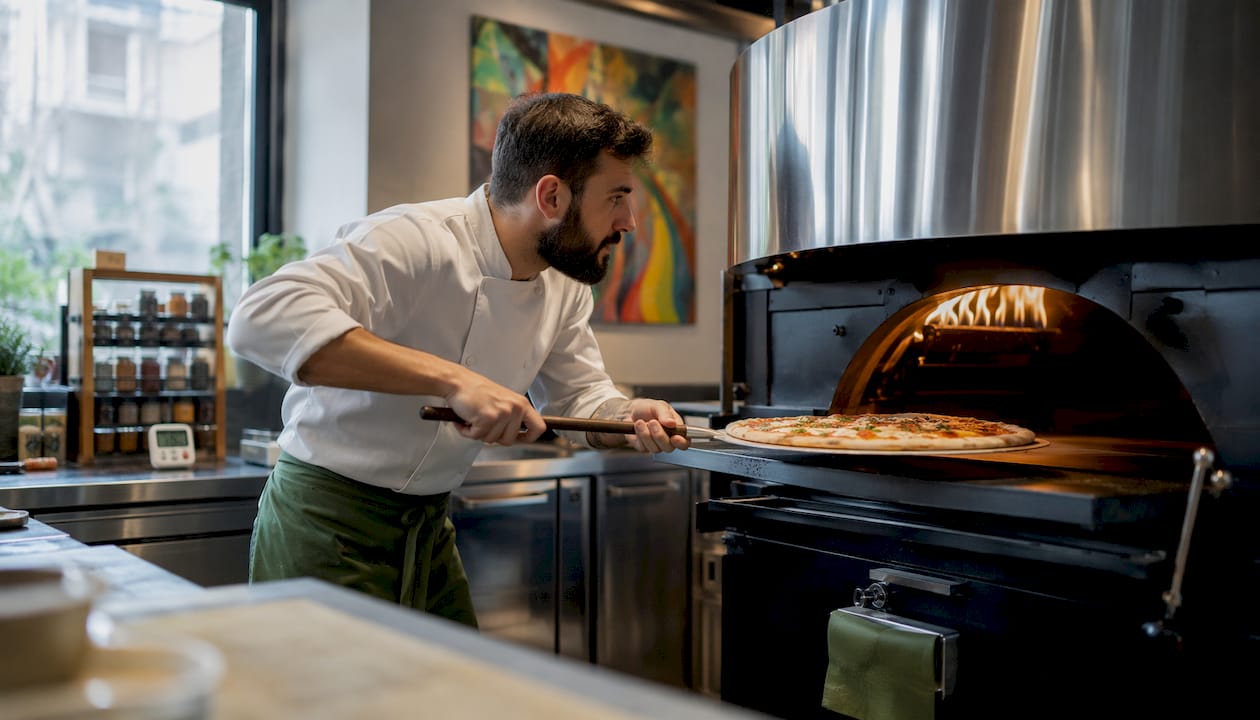
Choosing the right pizza oven for commercial use is one of the most consequential decisions a hospitality business makes. The wrong choice costs you in throughput, energy bills, and kitchen space. The right one becomes the heart of your operation for a decade or more. Deck and stone-hearth ovens can output up to 280 pizzas per hour depending on size and fuel type, while conveyor models typically produce between 70 and 90 pizzas per hour. The seven ovens compared here span wood-fired artisan models, modern electric options, and low-emission hybrids, all available to UK hospitality businesses.
| Oven | Fuel Type | Capacity (pizzas/hr) | Emissions / Eco Features | Design Style | UK Availability | Installation / Support |
|---|---|---|---|---|---|---|
| Gozney Dome Gen 2 | Wood / Gas | Up to 60 | Standard | Dome, modern | Yes | Retailer network |
| Igneus Pro 600 | Wood-fired | Up to 60 | Standard | Traditional | Yes | UK-based support |
| Bushman Wood Fired Ovens | Wood-fired | Up to 280 | Standard | Rugged, traditional | Yes | UK distributor |
| Vesuviano Forni RealBosco | Wood / Gas / Electric / Rotating | Up to 280 | Standard to low-emission options | Mosaic, Neapolitan | Yes | Full end-to-end service |
| Sebastian Models | Wood / Gas / Electric | Up to 280 | Standard | Contemporary metal-slat | Yes | Full end-to-end service |
| VesuvioBuono Models | Wood / Gas (combined) | Up to 280 | Low-emission, soot-free | Traditional Neapolitan | Yes | Full end-to-end service |
| Caterlite Pizza Oven | Electric | 70–90 | Low (electric) | Compact, utilitarian | Yes | Standard warranty |
How do the leading commercial pizza ovens compare in detail?
Fuel type shapes almost every other decision: running costs, flavour profile, ventilation requirements, and planning permissions. Understanding the practical differences between wood-fired, gas, electric, and hybrid options is where a well-informed purchase begins.
Wood-fired ovens produce the char, leopard spotting, and smoky depth that define Neapolitan pizza. The Igneus Pro 600 is handcrafted to exacting traditional standards and suits establishments where wood-fire flavour is a core part of the brand identity. Bushman Wood Fired Ovens take a similarly traditional approach, with a reputation built on rugged construction and straightforward operation, making them a reliable choice for businesses that want proven combustion performance without complexity.
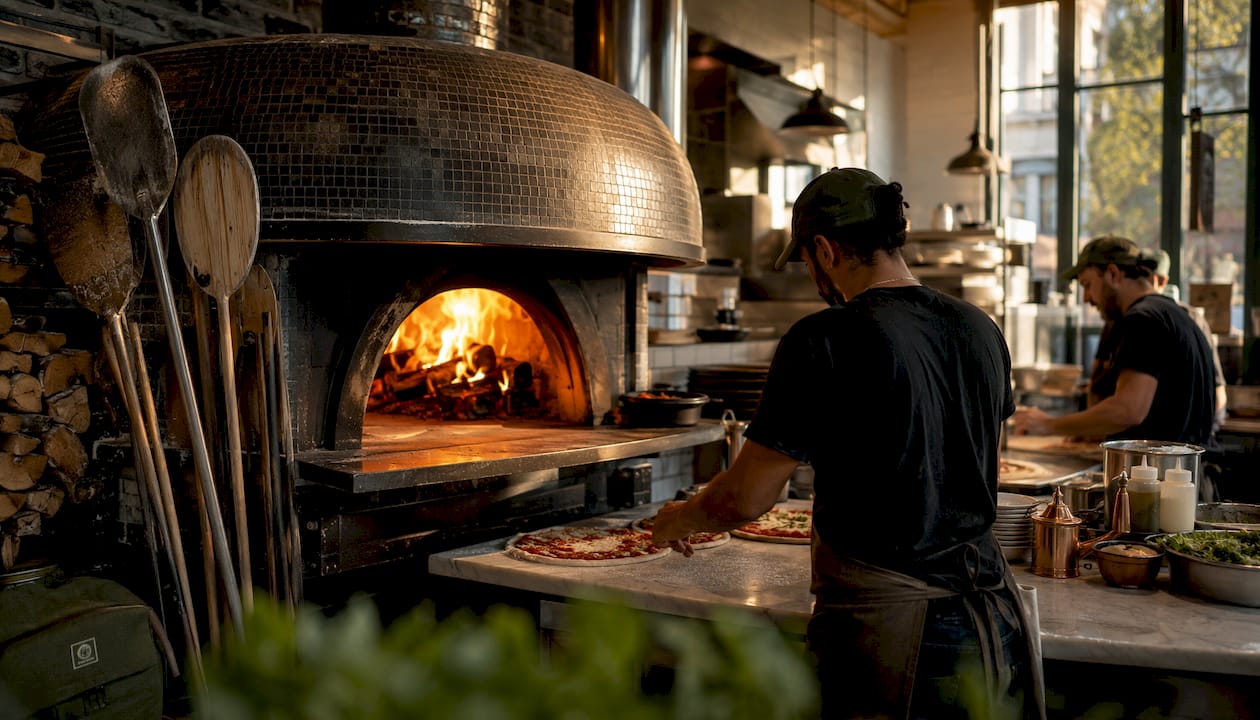
The Gozney Dome Gen 2 occupies a different position. Its dome design distributes heat evenly across the cooking floor, and the dual fuel option (wood or gas) gives operators flexibility that a purely wood-fired oven cannot match. For a pizzeria that wants stone-cooked results but needs to manage fuel costs or operate in a venue with restricted wood storage, that flexibility is genuinely useful.
Electric ovens remove the ventilation and fuel-supply headaches that come with combustion. The Caterlite Pizza Oven is compact, straightforward to install, and well suited to food trucks, pop-ups, or quick-service kitchens where speed and simplicity matter more than artisan credentials. Electric conveyor models, such as the Tecnopizza range, typically produce between 70 and 90 pizzas per hour with stackable configurations that make the most of limited kitchen space.
Pros and cons by oven category:
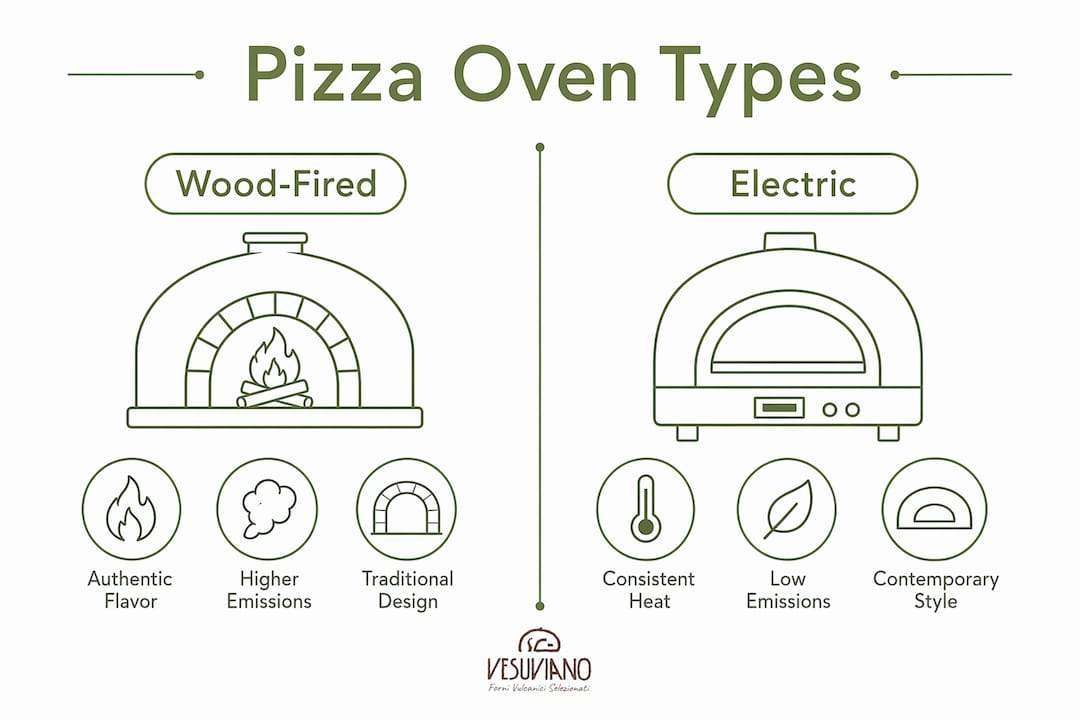
- Wood-fired: Authentic flavour and visual theatre; higher installation complexity, fuel storage requirements, and chimney or extraction needs.
- Gas: Consistent heat control and lower labour dependency; requires a licensed gas installation and ongoing supply costs.
- Electric: Easiest installation, no combustion extraction needed; running costs depend heavily on local electricity tariffs.
- Rotating (turntable): Uniform baking without manual rotation; ideal for high-volume kitchens where consistency across every pizza matters.
- Low-emission (VesuvioBuono): Wood-fire flavour with soot-free operation; addresses environmental compliance concerns increasingly relevant under UK air quality guidance.
NSF certification is a recognised benchmark for hygiene, durability, and performance in professional foodservice environments. When evaluating any commercial oven standard, confirm that the model meets the health and safety requirements applicable to your local authority in the UK.
How to choose the right commercial pizza oven for your business
The single most common mistake buyers make is choosing an oven based on cooking style alone, then discovering the kitchen cannot support it. Infrastructure must come first.
Key questions to ask before you commit:
- What is your realistic peak output in pizzas per hour, and does the oven’s rated capacity exceed it with headroom?
- Does your kitchen have the electrical supply the oven requires? Conveyor models often need 3-phase 230V power, which is not standard in all UK commercial premises.
- Is a licensed gas line already in place, or will you need to budget for installation?
- What extraction or ventilation system does the oven require, and does your current canopy meet it?
- How much floor space can you allocate, and does the oven’s footprint leave adequate working clearance?
- What are your local authority’s requirements for wood-burning appliances, particularly in urban areas subject to smoke control zones?
- What warranty and after-sales support does the supplier offer, and is UK-based technical assistance available?
Aesthetics matter more than buyers often admit. An open kitchen where guests can see the oven is a marketing asset. A mosaic Neapolitan oven or a contemporary metal-slat design communicates quality before a single pizza is served.
Pro Tip: Plan your electrical and gas configurations before you finalise the oven model, not after. Retrofitting a 3-phase supply or a new gas line post-installation can cost as much as the oven itself and delay your opening by weeks.
Budget realistically across the full cost of ownership: purchase price, installation, extraction, fuel, and maintenance. A lower purchase price can easily be eroded by higher running costs or a costly installation.
Vesuviano Forni: handcrafted Neapolitan ovens built for professional kitchens
Vesuviano Forni brings together artisans from the Vesuvian area whose families have been building professional pizza ovens for generations. The brand was established in 2025 to preserve that craft and pair it with modern engineering, including a dedicated R&D team working on electric, rotating, and low-emission technologies. For UK hospitality businesses seeking authentic Neapolitan ovens with genuine commercial credentials, the three product families each address a distinct set of priorities.
RealBosco Models are the most traditional expression of Neapolitan oven building. Finished in handcrafted mosaic, they are available in wood-fired, gas, electric, and rotating versions. The rotating option is particularly well suited to high-volume kitchens where consistent baking across every pizza, without manual intervention, is a priority. Restaurants and pizzerias that want the visual identity of a classic Neapolitan oven alongside modern fuel flexibility will find the RealBosco range covers both.
Sebastian Models take the same handcrafted construction and apply a contemporary metal-slat exterior. The result is an oven that fits a modern restaurant aesthetic without sacrificing the cooking performance of a traditional Neapolitan build. For hotel kitchens, food halls, or restaurants with a design-led interior, the Sebastian line resolves the tension between heritage cooking and contemporary presentation.
VesuvioBuono Models address one of the most pressing concerns for UK operators: emissions compliance. These wood-fired or combined gas/wood ovens use a low-emission system that eliminates black soot, making them viable in locations where a standard wood-burning oven would face planning or environmental objections.
What sets Vesuviano Forni apart from other suppliers:
- Handcrafted construction using techniques refined over more than 50 years in the Vesuvian tradition.
- Full fuel flexibility across the range: wood, gas, electric, and rotating options.
- Bespoke oven design and custom finishes available for specific kitchen or branding requirements.
- End-to-end international service covering technical consultancy, logistics, customs clearance, on-site construction, installation, and after-sales support.
- Competitive quality-to-price ratio without compromise on materials or durability.
For businesses considering a commercial rotating pizza oven, the RealBosco rotating models offer a particularly strong combination of Neapolitan authenticity and high-volume consistency.
Which commercial pizza oven suits your UK hospitality business?
The right oven depends on your output targets, kitchen infrastructure, and the role the oven plays in your brand.
By business type and volume:
- High-volume pizzerias and restaurants producing more than 90 pizzas per hour need a deck or stone-hearth oven with genuine commercial capacity. The Vesuviano Forni RealBosco and Sebastian ranges, particularly in rotating configuration, are built for exactly this environment.
- Establishments where wood-fire flavour is the brand: The Igneus Pro 600 and Bushman Wood Fired Ovens both deliver authentic combustion cooking. For operators who also need to address emissions, the VesuvioBuono models offer the same flavour profile with a cleaner footprint.
- Food trucks, pop-ups, and quick-service operations: The Caterlite Pizza Oven’s compact footprint and electric operation make it the practical choice. No gas line, no extraction canopy, and a straightforward installation.
- Businesses wanting fuel flexibility: The Gozney Dome Gen 2 handles both wood and gas, which suits venues where fuel availability or storage varies seasonally.
- Design-conscious venues with open kitchens: The Sebastian Models and RealBosco mosaic ovens both function as focal points. Guests notice them, and that visibility has real commercial value.
Wood-fired vs electric: the honest trade-off. Wood-fired ovens produce a cooking environment that electric ovens cannot fully replicate, particularly the radiant heat from a live flame and the subtle flavour transfer from combustion. Conveyor ovens reduce the need for highly trained pizza chefs and suit franchise or chain models where consistency across locations matters more than artisan differentiation. Neither is universally superior. The question is which trade-off fits your operation.
Balancing installation costs against long-term running costs is where many buyers underestimate the total picture. An electric oven with a simpler installation may carry higher energy costs over five years than a gas model with a more involved setup. Run the numbers for your specific tariffs and output before deciding.
Key takeaways
Choosing the right commercial pizza oven requires matching fuel type, capacity, and installation requirements to your kitchen’s specific constraints and output targets.
| Point | Details |
|---|---|
| Capacity drives the decision | Deck and stone-hearth ovens can reach high pizza outputs per hour; conveyor models deliver moderate volumes. Match the oven to your peak demand. |
| Infrastructure planning is non-negotiable | Confirm gas lines, electrical supply (including 3-phase where required), and ventilation before selecting a model to avoid costly post-installation work. |
| Fuel type shapes the full cost of ownership | Wood, gas, electric, and hybrid options each carry different running costs, installation requirements, and flavour outcomes. |
| Emissions compliance matters in the UK | Low-emission options like the VesuvioBuono models address smoke control zone restrictions and environmental regulations increasingly relevant to UK operators. |
| Vesuviano Forni for craftsmanship and full-service support | The RealBosco, Sebastian, and VesuvioBuono ranges offer handcrafted Neapolitan quality with end-to-end UK-accessible installation and after-sales support. |
An expert’s perspective on what the commercial oven market gets wrong
The conversation around commercial pizza ovens in the UK tends to collapse into a binary: wood-fired for authenticity, electric for convenience. That framing misses the most important question, which is not what fuel the oven burns but what the oven is actually built from and how long it will last.
A handcrafted Neapolitan oven built with refractory materials and traditional construction techniques will hold and distribute heat in ways that a mass-produced stainless steel unit simply cannot match, regardless of fuel type. The thermal mass of a properly built dome oven means it recovers temperature faster between pizzas, which directly affects throughput during a busy service. That is not a marketing claim. It is physics, and it is why Neapolitan craftsmanship carries genuine commercial value beyond cultural appeal.
The other underestimated factor is after-sales support. Buyers focus on purchase price and installation, then discover that a technical issue mid-service with no accessible support is far more costly than any price difference at the point of sale. For UK hospitality businesses importing from Italy, the quality of the supplier’s export and installation service is as important as the oven itself.
The market is also moving faster on emissions than many operators realise. Low-emission wood-fired technology, such as the VesuvioBuono system, is not a niche product. It is the direction the whole sector is heading, and businesses that invest in it now will face fewer regulatory headaches as UK air quality standards tighten.
Vesuviano Forni’s handcrafted ovens are built for UK commercial kitchens
Where most suppliers offer a product and a warranty, Vesuviano Forni offers a complete project: from the first technical consultation through to on-site installation and post-installation assistance. For UK hospitality businesses importing a handcrafted Neapolitan oven, that end-to-end support covers international logistics, customs clearance, and on-site assembly, removing the complexity that puts many buyers off sourcing directly from Italian manufacturers.
The RealBosco, Sebastian, and VesuvioBuono ranges cover every commercial scenario: traditional mosaic ovens for pizzerias that want authentic Neapolitan identity, contemporary metal-slat designs for modern restaurant interiors, and low-emission wood-fired ovens for operators navigating UK environmental requirements. Bespoke design and custom finishes are available across all three families. For businesses planning a new opening or a kitchen upgrade, Vesuviano Forni’s team provides technical consultancy from the earliest planning stage, including guidance on space, ventilation, and fuel configuration. Explore the full range of Neapolitan pizza ovens or contact the team directly to discuss your project.