Pizza oven safety procedures: the essential checklist
Pizza oven safety procedures: the essential checklist
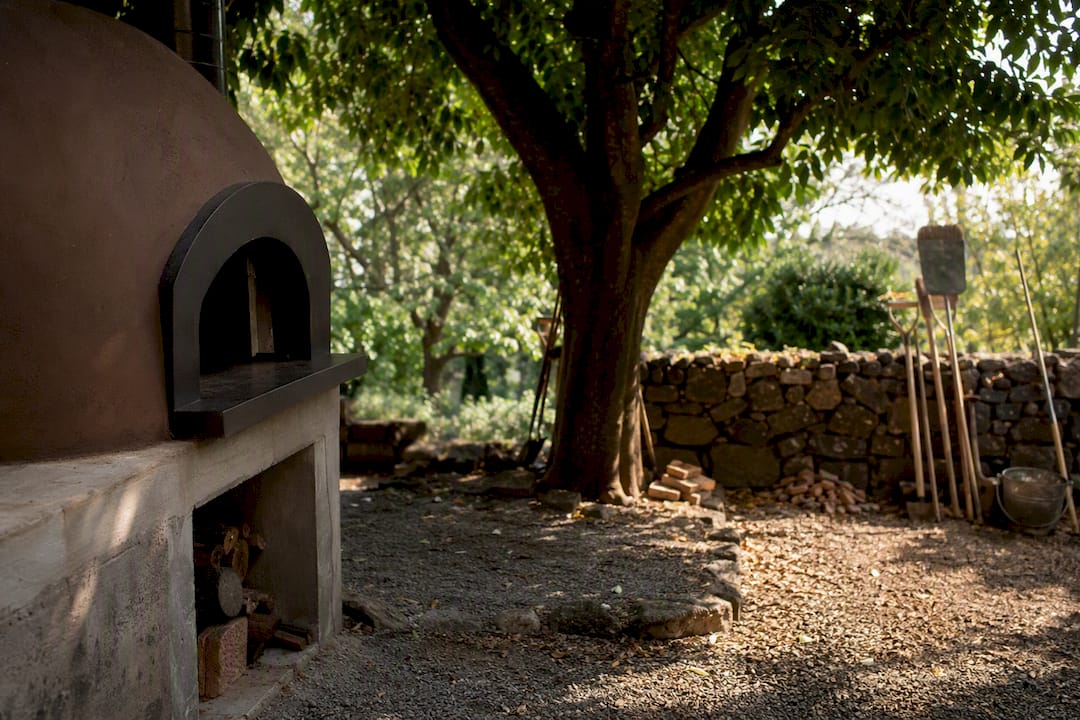
Operate any outdoor or wood-fired pizza oven only on a stable, non-combustible surface, with proper clearances confirmed and a pre-use safety check completed before you light it. That single habit prevents most of the injuries and fires linked to home pizza ovens. Before your first flame of the day:
- Confirm the oven sits on a solid, non-combustible base, well clear of walls, fences and overhanging branches.
- Run a leak check on any gas connection and keep a metal ash bucket and a suitable fire extinguisher within arm’s reach.
- Check your manufacturer’s manual for model-specific clearances and cooling times. Most brands recommend waiting at least 2 to 3 hours before cleaning, and treating embers as live for up to 48 hours.
Key Takeaways
Consistent clearances, pre-use checks, and correct cooling times prevent the overwhelming majority of pizza oven fires and burns at home.
| Point | Details |
|---|---|
| Clearance first | Keep the oven 3 to 10 feet from walls and combustibles, depending on manufacturer guidance. |
| Run the three checks | Confirm clearances, leak-test hoses, and stage tools before every single cook. |
| Respect cooling times | Wait 2 to 3 hours minimum, and treat ash as potentially live for up to 48 hours. |
| Never use water on grease or stone | Smother grease fires with sand or baking soda; water causes thermal shock or spreads flame. |
| Vesuviano Forni | Handcrafted ovens with engineered insulation, low-emission systems and on-site installation support reduce these risks by design. |
Table of Contents
- Where to place your oven for safe pizza cooking
- What should be on your pre-use pizza cooking safety checklist?
- How do you light a pizza oven safely?
- What are the specific safety steps for gas pizza ovens?
- How do you stay safe while the pizza is actually cooking?
- How long should a pizza oven cool before you clean it?
- What routine maintenance keeps a pizza oven safe long term?
- What should you do in a pizza oven emergency?
- How does oven design affect long-term safety?
- A short note on building the habit
- Looking for a professionally engineered oven instead?
- Sources
Where to place your oven for safe pizza cooking
Manufacturer guidance typically calls for a minimum of 3 feet from walls, fences and combustible materials, with some brands recommending up to 10 feet for optimal ventilation and safety. In a tight garden, err towards the wider figure if your oven sits near a shed, timber fence or dry hedge.
Pro Tip: Radiant heat from an oven base can char decking timber even without flame contact, so a portable oven needs a paver pad or fire-rated mat underneath, not just a heatproof tabletop.
Acceptable bases include:
- Poured concrete, natural stone, brick or paver surfaces
- A steel stand with a ceramic fibre or firebrick insulating layer
- A fire-rated hearth pad rated for sustained radiant heat, if placed on a deck
Leave overhead clearance for the flue and check that smoke won’t drift towards windows, eaves or neighbouring properties. Many local authorities and HOAs regulate outdoor cooking appliances, so check your codes before you build a permanent installation.
What should be on your pre-use pizza cooking safety checklist?
Run this before every single cook, not just the first one of the season.
- Check stability. The oven sits level and firmly on its base, with all packing material removed if it’s new.
- Gather your tools. Long-handled peel, insulated gloves, an infrared thermometer and ash tools should be within reach before you strike a match.
- Confirm your fuel. Use only seasoned hardwood or the fuel type your model specifies. Accelerants like lighter fluid have no place near a pizza oven.
- For gas models, inspect the hose. Look for cuts, cracking or abrasion, and keep the shut-off valve location memorised.
- Check for seasonal intruders. Wasps and spiders nest in flues over winter; cracks in the dome or hearth need noting before you fire up.
Pro Tip: The SWMS framework used for mobile wood-fired ovens treats pre-cook planning as a distinct hazard-control stage, not an afterthought. Adopting that same three-check habit at home, clearances, hose or fuel check, tools at hand, closes off most of the oversight-driven incidents that catch people out.
How do you light a pizza oven safely?
Build a small kindling fire first, never with lighter fluid or accelerants, and let it establish before adding larger logs. Keep the flame concentrated to one side of the dome rather than spread across the cooking surface, and add wood gradually as the fire develops.
- Point the oven’s flue away from prevailing wind where possible, so gusts don’t push flame or embers back towards you.
- Fit a spark arrestor mesh cap on the chimney. It catches stray embers before they travel towards a dry roof or gutter.
- Use an infrared thermometer to track dome and floor temperature rather than guessing by eye. Overheating stresses masonry and increases flare-up risk.
- Never leave an active flame unattended, even for a few minutes, once wood is added.
A commercial pizza oven temperature guide is worth reading if you want a clearer picture of what “too hot” actually looks like on the thermometer.
What are the specific safety steps for gas pizza ovens?
Gas introduces risks that wood-fired ovens don’t carry, and the procedure needs to be followed in order every time.
- Leak-test before every use, and always after a cylinder change. Brush a soapy water solution over hose connections and fittings. Bubbling means gas is escaping and you stop immediately.
- Follow the manufacturer’s lighting sequence exactly. Most burners use a thermocouple safety valve that shuts gas flow if the flame goes out, which is why a failed ignition needs a pause before you try again.
- If the burner won’t light, wait and purge rather than repeatedly clicking the igniter. Gas can pool if you don’t clear it first.
- Store cylinders upright, outdoors, and never below ground level or near an ignition source.
Faulty hoses and skipped leak tests are a leading cause of fires and explosions in gas-fuelled outdoor appliances, and it’s an entirely preventable one. If a hose shows any wear or you smell gas without an obvious source, call a qualified gas technician rather than troubleshooting it yourself.
How do you stay safe while the pizza is actually cooking?
Wear long-cuffed, heat-resistant gloves and skip loose sleeves or dangling drawstrings near the oven mouth. Keep children and pets at a safe distance from the opening, and assign one adult as the designated supervisor whenever the oven is lit, so nobody assumes someone else is watching it.
- Use a long-handled peel for loading and a separate turning peel for rotating the pizza. Reaching in with bare tools or short handles is how burns happen.
- Keep the immediate work area clear of trip hazards, spare fuel and anything flammable.
- Cook high-risk toppings like chicken or seafood to safe internal temperatures, and keep raw and cooked ingredients on separate boards to avoid cross-contamination.
Pro Tip: If you use a wire-bristle brush to clean the stone between bakes, check the surface visually afterwards. Bristles can detach and stick to food, which is why brass or stainless brushes are the safer long-term choice.
How long should a pizza oven cool before you clean it?
Give the oven a minimum of 2 to 3 hours before you touch the interior, and treat the ash bed with real caution beyond that. Insulated domes hold heat well, which is exactly why ash can stay live for 24 to 48 hours even when the outer surface feels cool.
- Sweep cooled ash into a lidded metal bucket, then let it sit on a non-combustible surface outdoors, never straight into a household bin or onto grass.
- Never pour water on hot stone or embers. Thermal shock can crack the hearth, and water on a grease fire spreads flame rather than smothering it.
- Only cover or store the oven once the interior has fully cooled and the ash bucket is sealed outside.
What routine maintenance keeps a pizza oven safe long term?
A five-minute check between cooks catches most problems before they become failures.
- Inspect gas hoses, the regulator and burner ports for wear, cracks or blockages.
- Clear soot build-up and check for insect nests in the flue, especially after weeks of disuse.
- Look over the dome and hearth for hairline cracks, and note them so you can track whether they’re spreading.
- Book a professional service annually for gas models, or sooner if you spot corrosion or persistent ignition problems.
- Keep a simple log, date, what you checked, anything you noticed. It turns maintenance from guesswork into a habit.
What should you do in a pizza oven emergency?
Most incidents are preventable, but knowing the right response in the first ten seconds matters more than any other safety measure.
- Flare-up: Stay calm, crack the door open slightly rather than yanking it wide, remove the food if it’s at risk, and pull back on added fuel until the flame settles.
- Grease fire: Never use water. Smother it with baking soda, sand, or a suitable Class B/K extinguisher kept nearby specifically for this purpose.
- Gas leak: Shut off the supply at the cylinder, evacuate the immediate area, and call your gas supplier or a qualified technician. Don’t attempt to relight until it’s cleared.
- Burns: Cool the area under running water for twenty minutes and seek medical attention for anything beyond minor redness.
Inadequate preheating, unmonitored temperatures and a cluttered work area remain the most common contributors to burns and fires around home pizza ovens. Almost all of them trace back to skipping a step that takes thirty seconds to do properly.
How does oven design affect long-term safety?
Vesuviano Forni builds every oven from decades of Neapolitan artisan know-how, and design choices made at the workbench carry through into how safely an oven performs for years.
- Thick, properly layered insulation keeps exterior dome surfaces cooler to the touch, reducing accidental contact burns.
- The VesuvioBuono line’s low-emission system cuts soot build-up, which means less residue accumulating in the flue over time.
- Correct chimney height and positioning, confirmed during on-site installation, reduces the chance of stray sparks or smoke drifting towards nearby structures.
Always cross-check final clearances and operating temperatures against your specific model’s manual, since figures vary between the wood-fired, gas and rotating ranges.
A short note on building the habit
Repeat the same three checks, clearances, hose or fuel, tools at hand, before every single cook. Consistency beats confidence, and supervision matters more than showmanship.
— Bruno - Key Account & Export Manager
Looking for a professionally engineered oven instead?
If you’d rather not manage safety margins on a garden-built setup, a professionally engineered oven removes a lot of that guesswork from day one. Vesuviano Forni ovens are handcrafted in Naples with insulation and flue geometry calculated at the design stage, not retrofitted after the fact, and the low-emission VesuvioBuono system cuts soot build-up that would otherwise accumulate in a flue over years of use.

Every order includes on-site installation guidance and after-sales support, so clearances, ventilation and final setup are checked by people who install ovens for a living, not left to a manual you skim once. If you’re weighing up a permanent installation, browse the commercial wood-fired pizza oven range and get a quote based on your space and volume needs.
Sources
- NAPOILY owner manual (manufacturer guidance)
- Lynx Napoli pizza oven user manual
- CNET — 8 pizza oven mistakes