US Pizza Ovens: UL 2162, NSF 4 and the Papers Inspections Require
US Pizza Ovens: UL 2162, NSF 4 and the Papers Inspections Require
For a commercial pizza oven in the United States, the model must carry a Listed mark from an OSHA‑recognised NRTL, such as UL Solutions or ETL/Intertek, tested to the correct product standard (UL 2162 for wood‑fired units). Where your health code demands it, you also need sanitation certification under NSF/ANSI 4. The immediate step: ask your supplier for the model’s control number and its certification report before you sign anything.
TL;DR:
- Ensure the pizza oven is UL 2162 certified for wood-fired units, and obtain the control number and certification report before purchase.
- Confirm the oven carries an OSHA-recognised NRTL mark from UL or Intertek, and verify it via the manufacturer’s certification directory.
- Check the model’s scope for indoor or outdoor use, fuel type, and clearance requirements in the certification documentation.
- Secure sanitation certification (NSF/ANSI 4) if local health codes demand it, and verify that both safety and sanitation standards are met.
- Build your permit package early with all certification and installation details, including photos and contact info, to streamline inspector approval.
Table of Contents
- Understanding NRTL marks: UL, ETL and NSF explained
- Standards by fuel type: wood, gas and electric ovens
- How to check if a pizza oven is genuinely listed
- Documents to request before you buy a pizza oven
- How Vesuviano Forni supports certification and installation
- Why certification paperwork decides more than most owners think
- Sources
Understanding NRTL marks: UL, ETL and NSF explained
Every commercial oven you install has to answer to two separate questions: is it electrically and fire safe, and is it sanitary to cook on? These are governed by different certification systems, and confusing them is the most common mistake operators make when reviewing paperwork.
NRTL Listed is the term that actually matters to your local inspector, not the brand on the sticker. OSHA maintains a formal list of Nationally Recognised Testing Laboratories authorised to test and certify equipment for workplace use, and any mark from one of them carries the same legal weight. UL Solutions and Intertek (which issues the ETL mark) both sit on that list.
- UL Listed: issued by UL Solutions, the most widely recognised mark among building inspectors and health departments.
- ETL Listed: issued by Intertek, legally equivalent to UL for AHJ acceptance, often faster and cheaper to obtain.
- NSF/ANSI 4: the sanitation standard for commercial cooking equipment, covering cleanability and food‑contact surfaces rather than electrical safety.
Sanitation and safety listings answer different questions, and inspectors often want proof of both. A gas oven can be perfectly NRTL Listed for fire safety and still lack NSF/ANSI 4 sanitation certification, which some local health departments treat as a separate, non‑negotiable box to tick.
Standards by fuel type: wood, gas and electric ovens
The standard that applies to your oven depends entirely on how it’s fired, and this is where a lot of import paperwork gets murky.
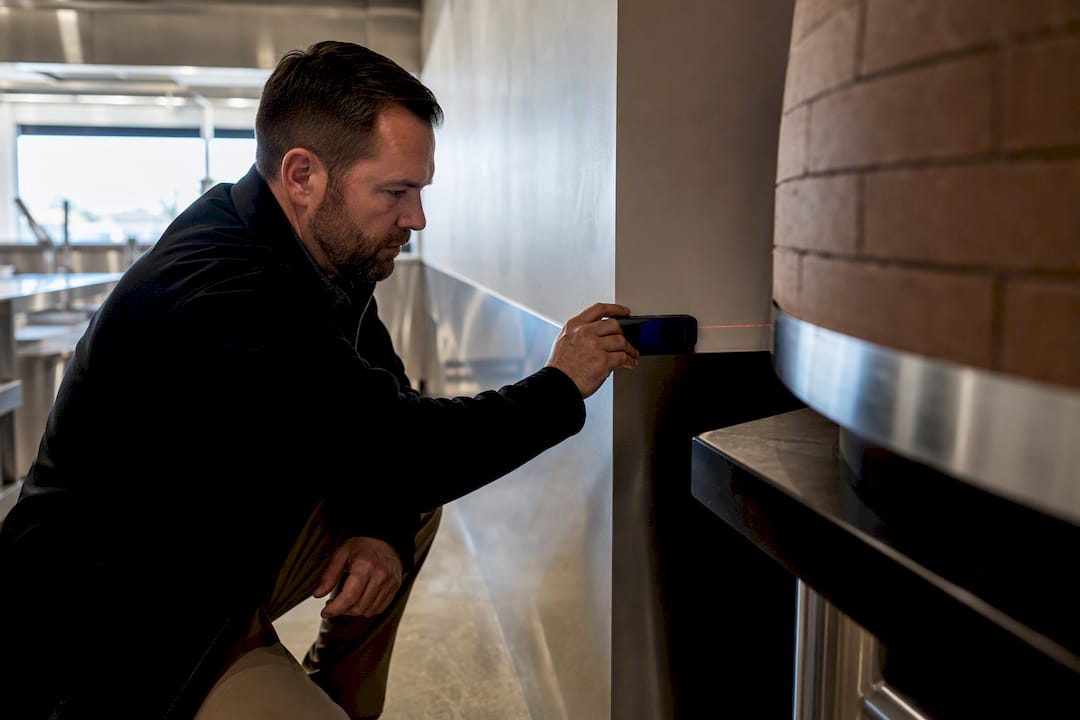
Wood‑fired ovens fall under UL 2162, the standard written specifically for commercial refractory baking ovens. Testing under UL 2162 fires the appliance through both normal and abnormal operating conditions, and the results establish the clearances to combustible construction that your installer and inspector will rely on. This clearance table is arguably the single most important document in your permit file for a wood oven.
Gas‑fired ovens sit under separate ANSI/UL or CSA gas appliance standards, and the listing itself will state whether the model is approved for indoor use, outdoor use, or both. Never assume an outdoor‑rated gas oven can move inside without re‑certification.
Electric ovens carry conventional electrical safety listings, usually alongside a factory inspection schedule the manufacturer must maintain to keep the mark valid.
- Wood‑fired: UL 2162, abnormal‑operation testing, specified clearance distances.
- Gas‑fired: ANSI/UL or CSA gas standards, explicit indoor/outdoor scope.
- Electric: standard electrical safety listing plus ongoing factory inspection.
- Many models need both a safety listing and NSF/ANSI 4 sanitation certification, since the two standards serve entirely different regulatory purposes.
How to check if a pizza oven is genuinely listed
Don’t take a sticker at face value. Verification takes ten minutes and it’s the ten minutes that saves you a failed inspection.
- Find the mark and control number. A genuine Listed product carries the word “LISTED”, the NRTL’s name, and a control number printed on a permanent label, usually on the rear panel or inside the control compartment.
- Search the issuing lab’s directory. Cross‑check that control number in UL Product iQ or the equivalent Intertek directory to confirm the model, the standard tested, and the manufacturing facility match what’s on the label.
- Request the full certification report, not just a summary. Look specifically for the model’s scope, the fuels it’s approved for, installation limits, and clearance distances.
- Keep copies in your permit file. Inspectors move faster when they can see the report rather than take your word for it.
If an AHJ hesitates over an ETL mark because they’re more used to seeing UL, don’t argue the point. Print the Intertek listing entry and OSHA’s NRTL recognition page instead. Most objections dissolve the moment you hand over paper rather than opinion.
Pro Tip: A “Recognized” or “component” mark on an internal part, such as a thermostat or control board, is not the same as a whole‑product Listed mark. Inspectors want the finished oven listed, not just a component inside it.
Documents to request before you buy a pizza oven
Treat certification as a purchasing criterion, not paperwork you chase after the oven has already arrived at your loading dock. Build your permit packet before you sign the purchase order.
- The model’s Listed control number and a current copy of the certification report.
- Sanitation certification evidence, whether NSF/ANSI 4 or UL EPH, along with the name of the issuing laboratory.
- Installation limitations, covering indoor versus outdoor use, approved fuels, required clearances to combustible surfaces, and any ventilation or hood requirements.
- The factory inspection and follow‑up schedule, plus a named contact for traceability if a question comes up years later.
- A plan for the AHJ meeting itself, with labelled photos of the installed unit and your supplier’s technical contact on hand for anything the inspector can’t resolve on the spot.
What this actually looks like in practice:
- Ask the supplier directly: “What is this model’s control number, and can you send the report?”
- If installing outdoors, confirm in writing that the listing covers outdoor use, particularly relevant for ventless or outdoor kitchen setups.
- Cross‑reference clearance figures against your kitchen’s floor plan before the oven ships, not after.
Pro Tip: Manufacturers who supply organised technical drawings alongside the certification report, rather than the report alone, tend to shave weeks off permit approval because the inspector isn’t left guessing about installation intent.
How Vesuviano Forni supports certification and installation
Vesuviano Forni’s role doesn’t end when an oven leaves the workshop in Naples. Every model across the RealBosco, Sebastian and VesuvioBuono ranges, including wood‑fired, gas, electric and rotating configurations, ships with the technical documentation US inspectors ask for.
- Custom installation drawings tailored to your kitchen’s clearances and ventilation setup.
- Full export and logistics paperwork, including customs clearance support for imported ovens.
- On‑site assembly and installation assistance, so the finished install matches what the listing report describes.
- After‑sales support for factory inspection scheduling and ongoing traceability questions.
- Practical guidance published on our pizza oven installation requirements resource, covering clearances and code considerations before you buy.
We also work with partners experienced in outdoor kitchen installations, such as Roostr’s commercial oven projects, for operators weighing indoor versus outdoor placement.
Why certification paperwork decides more than most owners think
Most guides on this subject treat certification as a compliance chore, something to tick off after the exciting part of choosing an oven is already done. That gets the order backwards. The clearance table in a UL 2162 report determines where an oven can physically sit in your kitchen, which means it should shape your floor plan before you commit to a model, not after.
The conventional advice tells operators to “check the oven is certified.” That’s not specific enough to be useful. A control number without a matching directory entry is worthless, and a component mark on an internal part is not the same as a whole‑product listing. What separates a smooth permit process from a stalled one is whether you can hand an inspector the actual report, with the scope, fuel type and clearances spelled out, rather than a sticker and a shrug.
Prioritise the paper trail before the purchase order, not after the oven is sitting in your loading bay.
— Bruno - Key Account & Export Manager
Sources
- NSF/ANSI 4 covers commercial cooking equipment — ANSI blog
- UL 2162: Standard for Commercial Wood‑Fired Baking Ovens – Intertek
- UL vs ETL: Which safety certification mark do you need? — MarkReady
- UL Listed for kitchen appliances: what it means — R3