Ventless pizza oven guide for restaurants: compliance first
Ventless pizza oven guide for restaurants: compliance first
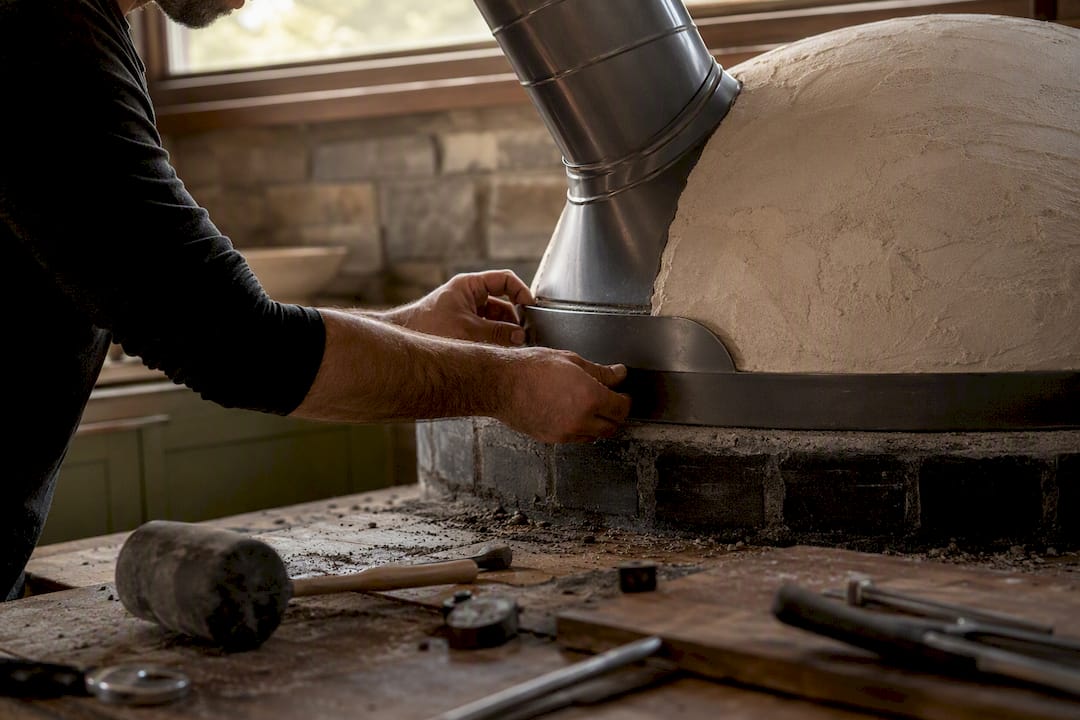
Yes, a professional Neapolitan pizza oven can operate with low‑emission, soot‑free technology in a commercial kitchen, but “ventless” is never a self‑declared feature. It becomes true only when the equipment carries documented listings and your local authority having jurisdiction signs off in writing. NFPA 96 governs the ventilation, grease‑removal and cleaning practices that most fire marshals and insurers reference during permitting, and real‑world energy‑recovery installations show that waste‑heat recovery from pizza ovens can cut running costs with a payback measured in a couple of years.
Getting there is a paperwork exercise as much as an equipment purchase. Skip the AHJ conversation and you risk a failed inspection days before opening.
Before you sign a purchase order, take these three steps:
- Ask the manufacturer for listing documentation and third‑party test reports on the specific model, not the product family.
- Draft your AHJ questions now, covering fuel type, throughput limits and required hood category.
- Book a site survey so clearances, suppression integration and utility routing are confirmed before installation drawings are finalised.
Key Takeaways
A compliant ventless Neapolitan oven requires listed equipment, written AHJ approval and a documented maintenance plan before installation, not after.
| Point | Details |
|---|---|
| Ventless means listed, not marketed | Only manufacturer test reports and listings such as UL 8782 make an oven genuinely ventless. |
| AHJ approval comes first | Secure written sign‑off before finalising kitchen drawings or ordering equipment. |
| NFPA 96 sets the baseline | Hood, cleaning and fire‑suppression rules under NFPA 96 apply regardless of ventless status. |
| Heat recovery improves ROI | Flue‑side heat recovery has delivered roughly two‑year paybacks in documented restaurant trials. |
| Vesuviano Forni offers a vendor‑ready route | The VesuvioBuono line pairs traditional wood‑fired cooking with a low‑emission system and full site‑survey support. |
Table of Contents
- What does “ventless” actually mean for a commercial Neapolitan oven?
- What must you check before buying or installing a ventless oven?
- How do low‑emission Neapolitan ovens actually work?
- What questions should you take to your AHJ?
- How do you choose the right ventless oven for your operation?
- What does a ventless oven cost, and how does ROI work?
- What does commissioning and ongoing maintenance actually involve?
- How does Vesuviano Forni support pizzerias choosing a low‑emission oven?
- Why compliance and service define a successful installation
- Get a compliant low‑emission oven built for your kitchen
- Frequently asked questions
- Sources
What does “ventless” actually mean for a commercial Neapolitan oven?
In this guide, ventless means an engineered low‑emission or soot‑free system, not a domestic countertop appliance that skips a hood because it runs at a lower temperature. Those consumer units have nothing to do with what a pizzeria needs to pass inspection, and confusing the two categories is the fastest way to buy the wrong equipment.
A professional oven earns the ventless label only when it can show:
- A listed pollution control unit or filtration package with published performance data.
- Compliance evidence tied to recognised investigative outlines, such as UL 8782 for pollution control units.
- Manufacturer test reports covering emissions and grease capture under realistic cooking loads.
Around 25% to 30% of commercial kitchen fires originate at cooking equipment and its exhaust path, which is exactly why NFPA 96 treats hoods, ducts and cleaning schedules as inseparable from the oven itself, ventless or not.
What must you check before buying or installing a ventless oven?
Every ventless project runs through the same regulatory gate, and skipping a step here costs more than the equipment. NFPA 96 sets baseline expectations for hood construction, duct cleaning intervals and fire‑suppression integration, even where a pollution control unit reduces or replaces the traditional canopy. Your AHJ decides, case by case, whether your specific menu and throughput qualify for a reduced ventilation approach.
Work through this checklist with your installer:
- Confirm whether your oven’s grease and smoke output falls under Type I hood rules or qualifies for an alternative.
- Verify the pollution control unit carries a recognised listing, such as one built to the UL 8782 investigative outline.
- Confirm fire‑suppression compatibility and required clearances to combustibles.
- Establish a documented cleaning, inspection and grease‑removal schedule that satisfies your insurer.
Pro Tip: Ask your AHJ for their preferred format for permit submissions before you commission drawings. Some jurisdictions want test reports bundled with the application; others want them presented separately at inspection. Getting this wrong causes weeks of delay.
How do low‑emission Neapolitan ovens actually work?
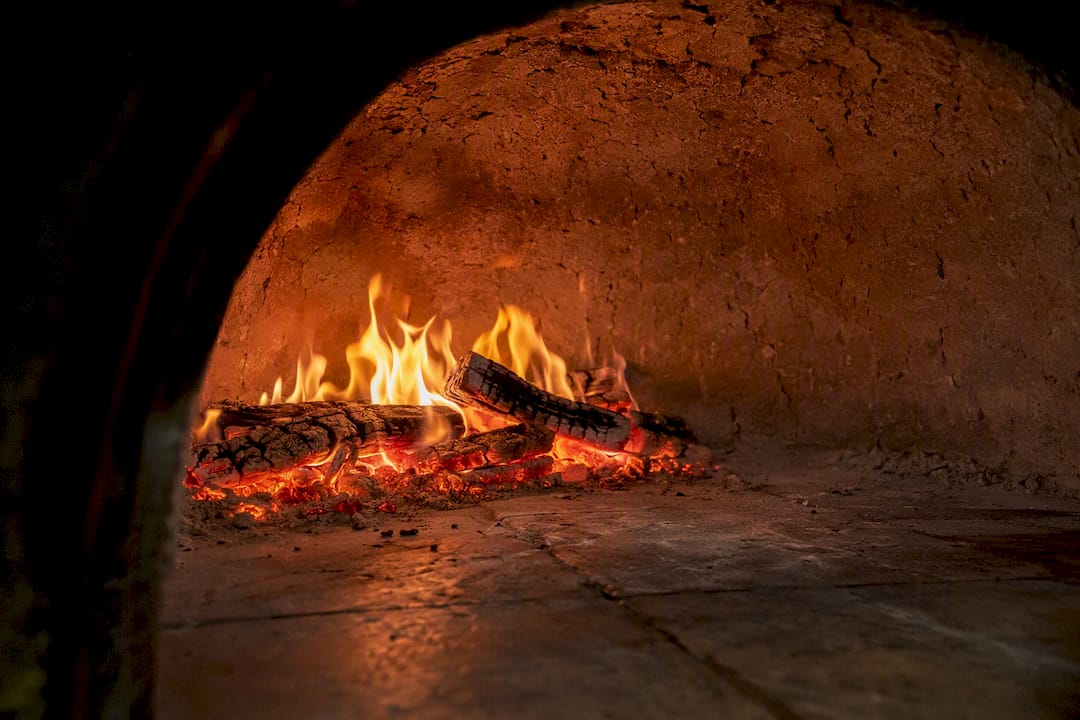
Most soot‑free systems rely on one of a few engineering approaches rather than a single silver‑bullet technology. Advanced combustion control manages airflow and fuel burn to reduce particulate output at the source. Flue‑side heat reclaimers capture exhaust heat for water heating rather than venting it. Downdraft or recirculation designs pull emissions through multi‑stage filtration before any air leaves the unit, and listed pollution control units sit between the oven and the outside air as a certified final barrier.
Ask any vendor for the underlying emissions test data and independent verification behind their claims, not just marketing copy.
- Request the specific model’s emissions test report, not a generic family datasheet.
- Ask which listing or investigative outline (UL 8782 or equivalent) the pollution control unit satisfies.
- Request an annotated schematic showing the airflow path, filtration stages and where the fire‑suppression system interfaces with the unit.
Pro Tip: During factory acceptance or site commissioning, ask the installer to run the oven at full load for at least an hour while measuring stack or exhaust temperature at the filtration inlet. A unit that only performs on paper often reveals problems the moment real dough and real heat are involved.
What questions should you take to your AHJ?
Every AHJ interprets “ventless” differently depending on your menu, cooking volume and building type, so a face‑to‑face conversation before purchase saves months of rework.
Bring these questions:
- Does our projected pizza throughput and grease output qualify for a reduced‑ventilation or listed pollution‑control approach?
- What hood category, if any, will still be required alongside the oven?
- Which listings or test reports do you need on file before issuing a permit?
- What ongoing maintenance records will inspectors expect to see?
Bring these documents:
- Manufacturer test reports and listing certificates for the oven and pollution control unit.
- Shop drawings showing clearances, ductwork (if any) and suppression system integration.
- A written maintenance and cleaning plan.
Push for written confirmation, even if it comes as a conditional or provisional approval. A verbal nod from an inspector is not something your insurer or a future inspector will honour.
How do you choose the right ventless oven for your operation?
Buying decisions for professional Neapolitan ovens hinge on more than dome temperature and looks. Throughput, fuel flexibility and service backup determine whether the investment performs under real service pressure.
Work through this checklist:
- Rated throughput in pizzas per hour at your expected dome temperature.
- Fuel options: wood‑fired, gas, electric or a combined system.
- Footprint and required clearances, particularly in existing buildings with tight kitchen layouts.
- Compatibility with your existing or planned fire‑suppression system.
- Warranty terms and the manufacturer’s service network in your region.
Before you commit, put these questions to any vendor:
- Can you supply emissions test reports and third‑party listings for this exact model?
- Do you have installation drawings ready for our AHJ submission?
- What does your maintenance plan look like, and who performs it?
- Have you secured AHJ approval for this system in a comparable jurisdiction before?
Hospitality groups running multiple sites should weigh standardisation heavily. A single oven model with common spare parts and one training programme across locations cuts long‑term service headaches far more than chasing the lowest unit price on any single order.
What does a ventless oven cost, and how does ROI work?
Budgeting for a ventless installation means accounting for more than the oven’s sticker price. Your total spend covers the oven itself, any pollution control add‑on, installation labour, permit fees, commissioning and ongoing consumables such as filters, plus staff training.
Key cost components to plan for:
- Equipment and pollution control unit or heat‑recovery attachment.
- Installation, permitting and commissioning fees.
- Recurring filter replacement and professional cleaning cycles.
- Operator training time.
A simple payback approach divides your net additional investment (ventless system cost minus the ducting and hood expense you avoid) by your annual savings from energy recovery and reduced HVAC load. Harvest Systems documented trials where flue‑side heat recovery from pizza ovens supplied hundreds of litres of hot water daily, with payback periods around two years in some full‑service restaurant cases, according to documented trials. Numbers like that make a heat‑recovery attachment worth modelling into any new‑build or refit business case.
What does commissioning and ongoing maintenance actually involve?
Getting a ventless oven approved is only the start. Keeping it compliant means building maintenance into your operating rhythm from day one.
Commissioning steps to expect:
- A site survey confirming clearances, utility routing and structural readiness.
- Verified connection to your fire‑suppression system with a functional test.
- An AHJ witness test before the unit is cleared for service.
Ongoing obligations to budget for:
- Filter changes on the schedule the manufacturer specifies, not a guessed interval.
- Professional cleaning of any hood, duct or pollution control unit, with semi‑annual inspection commonly expected for ventilation systems serving grease‑producing equipment.
- Dated inspection logs kept on file for insurers and inspectors.
- Staff training refreshed whenever equipment or procedures change.
How does Vesuviano Forni support pizzerias choosing a low‑emission oven?
Vesuviano Forni builds its VesuvioBuono line specifically for operators who want the flavour and identity of a traditional wood‑fired Neapolitan oven without the black soot output that complicates permitting. Alongside VesuvioBuono, our Neapolitan pizza ovens range extends to gas, electric and rotating configurations, so throughput and fuel choice never force a compromise on cooking quality.
Every project includes technical consultancy from the earliest planning stage, a proper site survey, custom design where standard footprints will not work, and full installation support. Our after‑sales team stays engaged once the oven is commissioned, not just through the sale.
- Product lines spanning wood‑fired, gas, electric, rotating and low‑emission builds.
- Site surveys and custom design for non‑standard kitchen layouts.
- Installation oversight and after‑sales technical support.
Pro Tip: Request your site survey before finalising kitchen layout drawings. Clearance and suppression integration decisions made too early are expensive to unwind later.
Why compliance and service define a successful installation
Working directly with pizzerias and hospitality groups across export markets, I’ve seen how often a promising installation stalls, not because the oven underperforms, but because the AHJ conversation started too late. Technical consultancy and site support are not add‑ons; they are what determine whether a ventless project actually reaches opening day.
Get a compliant low‑emission oven built for your kitchen
If you have been comparing traditional vented brick ovens against filtration retrofits and DIY pollution‑control add‑ons, you already know how much time gets spent chasing listings and test reports from multiple suppliers. Vesuviano Forni removes that fragmentation by building the low‑emission system into the oven from the start, so your permit package arrives with manufacturer documentation already in hand rather than assembled piecemeal after the fact.
Our VesuvioBuono ovens combine authentic wood‑fired Neapolitan cooking with a soot‑free system designed around the compliance questions your AHJ will actually ask. Whether you need a standard footprint or a custom build for a constrained kitchen, our team handles technical consultancy, site survey, installation and after‑sales support as one continuous project rather than separate vendor relationships. Explore our full range of electric Neapolitan pizza ovens and wood‑fired models, or contact our team directly to arrange a site survey and get a documentation package ready for your permit application.
Frequently asked questions
Is a ventless commercial pizza oven legal to install? Legality depends entirely on your local AHJ’s determination for your specific menu, throughput and equipment listing. No oven is universally exempt from ventilation rules; approval is always case‑by‑case and must be confirmed in writing.
Do ventless ovens still need a hood? Sometimes. Some jurisdictions still require a reduced hood or Type I coverage even with a listed pollution control unit, depending on grease output and cooking volume. Ask your AHJ before finalising kitchen drawings.
How long does AHJ approval typically take? It varies by jurisdiction and how complete your documentation is. Submitting test reports, listings and shop drawings together, rather than piecemeal, generally shortens the process considerably.
What is UL 8782? It’s an investigative outline used to evaluate pollution control units for commercial cooking exhaust applications. Manufacturers reference it when demonstrating that a filtration system meets recognised safety and performance criteria.
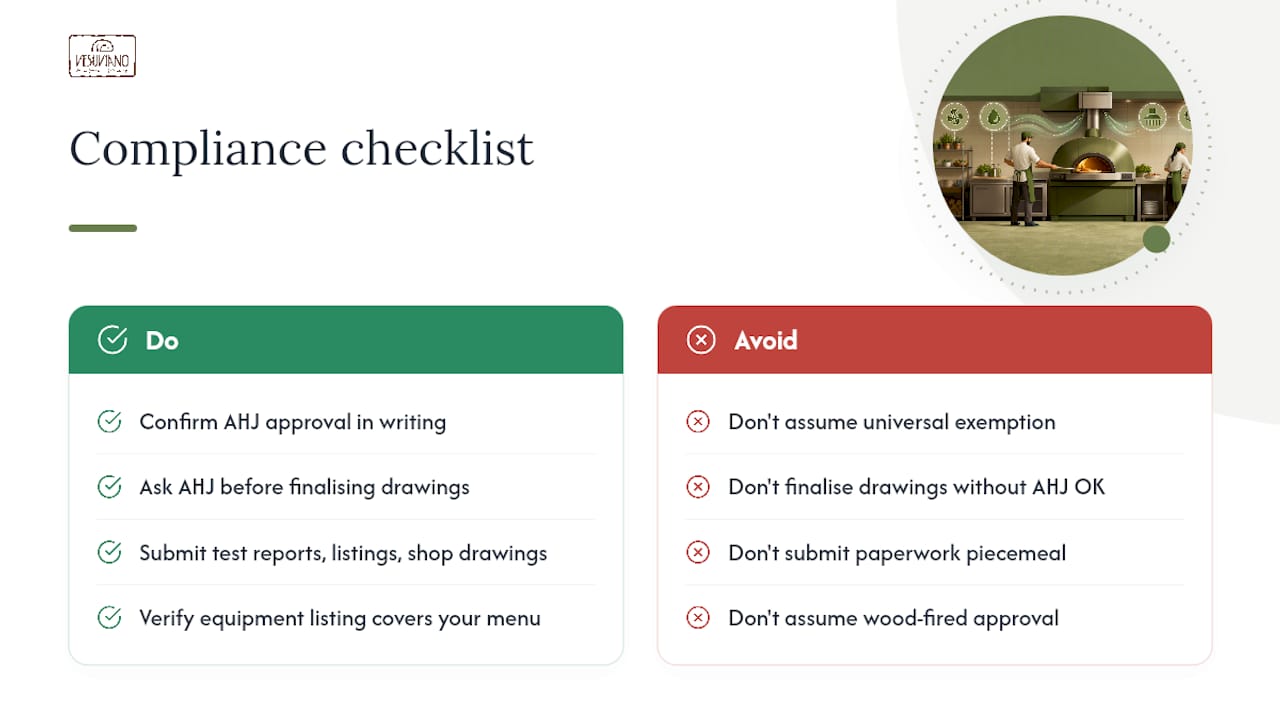
Can wood‑fired ovens ever be low‑emission? Yes. Systems like Vesuviano Forni’s VesuvioBuono use engineered combustion and filtration to reduce soot output while preserving genuine wood‑fired flavour, though final approval still rests with your AHJ.
Sources
- Harvest Systems cooks up waste heat retrieval for restaurant ovens – HARVEST Systems Inc.
- Understanding Commercial Kitchen Ventilation Requirements for Pizzeria – Pizza Prep Table